
Oil Additives: Worth It or Not?
Walk into any parts store, and you'll find shelves of bottles promising to protect, clean or restore your engine. So what do oil additives actually do, and do you need one?
The honest answer: they're a supplement, not a fix-all. They can be useful in the right situation, but they don't replace correct oil, regular servicing or a repair.
First, your oil already contains additives
Modern engine oil is a base oil blended with an additive package that can include detergents, dispersants, anti-wear agents and viscosity modifiers. That's why using the oil grade and specification your manufacturer calls for is always the starting point.
Aftermarket additives are designed to be added on top of that. Their purpose is to top up or add to what the oil already does.
The main types

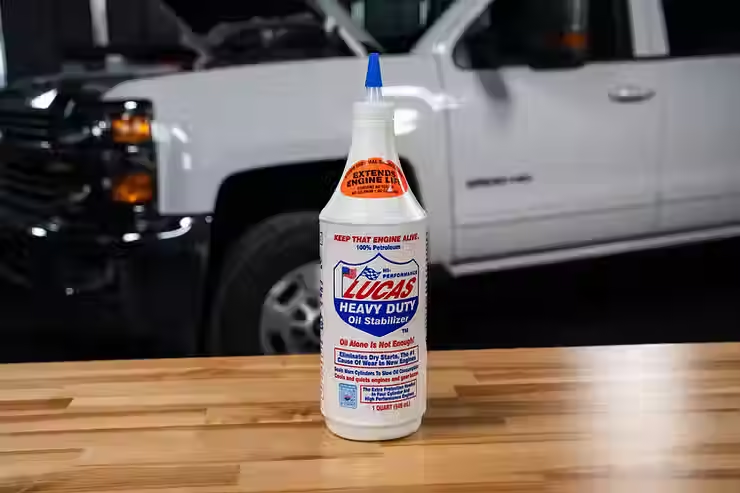
Oil stabilisers and viscosity boosters
Designed to increase the oil's resistance to thinning, sometimes used in older engines with higher mileage.

Engine flushes.
Added to the old oil shortly before an oil change to help loosen sludge and deposits. Always follow the directions on the label.
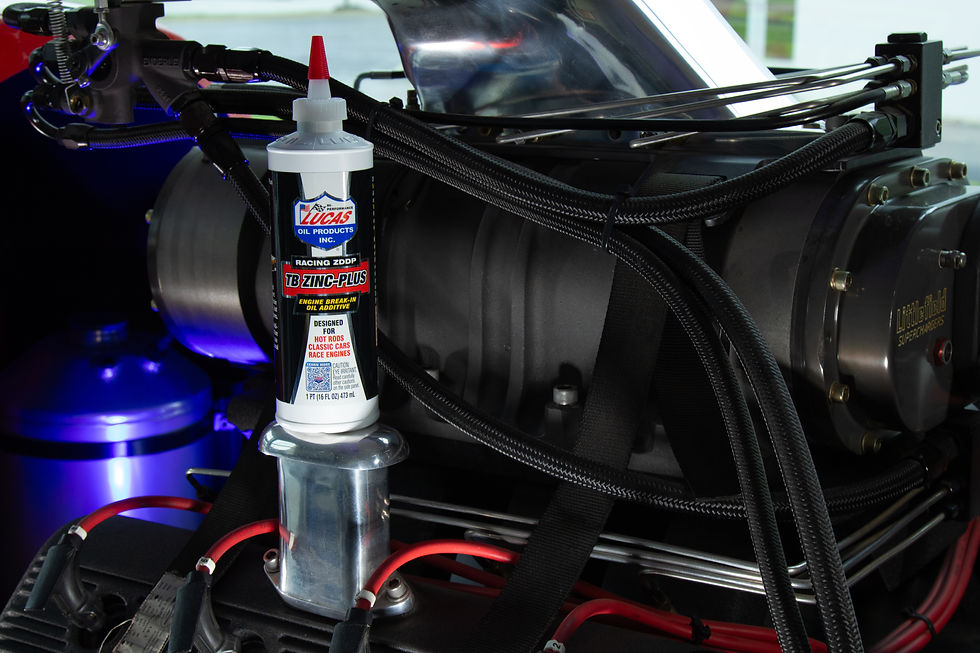
Friction modifiers and anti-wear additives.
Designed to add extra protection for moving parts, particularly at start-up.

Leak and seal conditioners.
Formulated to condition seals in older engines that have started to weep.

Fuel system cleaners
Strictly speaking, these go in the fuel tank, not the oil, and target deposits in the fuel system.
When an additive might make sense
An older, higher-mileage engine that's started using a little oil or seeping from the seals.
A vehicle that does a lot of short trips, towing or hard work.
Before an oil change, if a flush is appropriate for the engine and oil in it.
What they won't do
They won't repair a worn engine or fix a mechanical fault.
They won't make up for skipped services or incorrect oil.
They shouldn't be used to cover up a warning light or a leak you haven't investigated.
Before you add anything
Check your owner's manual and warranty conditions. Some manufacturers have specific requirements.
Check the product label for compatibility with your engine, oil type and any wet-clutch or specialist applications.
Use the right amount. More is not better.
Check the oil level first. An additive isn't a substitute for the right amount of oil.
If you're not sure, ask a mechanic who knows your vehicle.

Comments